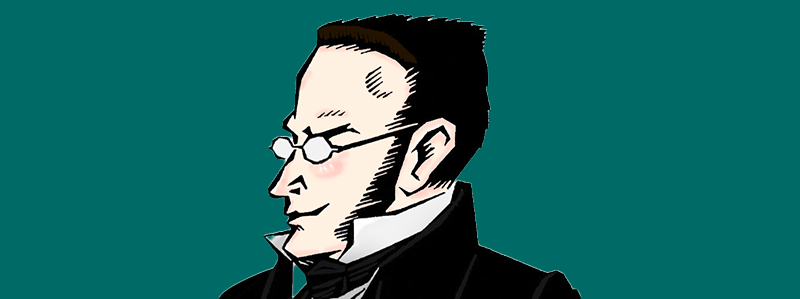
In egoist theory, as articulated by Max Stirner, „liberalism“ is categorized into three distinct forms: Political Liberalism, Social Liberalism (Communism), and Humanistic Liberalism. Each promises liberation but shifts the source of control.
Stirner defines liberalism as the „application of reason to current conditions“. While it sounds empowering, Stirner’s critique reveals a deeper, more nuanced perspective on how this „liberation“ manifests.
Political Liberalism
Historically, people were subjected to the will of a monarch or ruler – a person. Political liberalism promised liberation from such personal dominion, emphasizing individual rights within the state. However, Stirner argues that this „liberation“ merely replaced the rule of a person with the rule of an abstract entity: the state. Instead of being free from directives, individuals are now bound by impersonal laws and regulations.
Social Liberalism (Communism)
Communism speaks of liberating individuals from the chains of private property, suggesting communal ownership as the solution. Yet, Stirner points out that this doesn’t free individuals from dependency on property. Instead, it transfers property ownership to an abstract „society“. Individuals are not liberated from property but from personal ownership of it. A clarification on the term „property“ from Stirner’s critique: He differentiates between „personal property“ and „impersonal property“. The former belongs to the individual, while the latter is deemed to belong to society. Liberalism, in Stirner’s view, seeks to replace personal property with impersonal property. The aim isn’t to liberate from property per se, but from the personal whims associated with it. It’s crucial to note that Stirner’s use of „property“ differs from Marx’s. Stirner’s focus is on the shift from personal to impersonal, emphasizing the replacement of individual will with abstract reason or „ghosts“.
Humanistic Liberalism
This form claims to free individuals from the thoughts and dictates of others, championing reason and intellect as guiding forces. Stirner contends that this doesn’t truly allow free thought. Instead, individuals are dominated by abstract intellectual constructs. They’re not liberated from thoughts but from personal thoughts, replaced by „universal“ reason and morality.
Have a peaceful day.